Quarterly Market Newsletter - Q2 2026 Review
Dear Wela Clients,
As we reach the midpoint of 2026, we have once again been reminded that markets rarely move in a straight line. The second quarter brought renewed conflict in the Middle East, higher oil prices, persistent inflation, and another wave of excitement surrounding artificial intelligence.
Despite those headlines, markets continued to move higher.
The reason is simple: while news drives short-term volatility, corporate earnings drive long-term returns. Businesses have largely continued delivering strong profits, AI investment remains robust, and the broader economy has proven more resilient than many expected.
In this edition, we highlight six themes shaping markets today:
• Markets remained resilient despite geopolitical uncertainty.
• AI continues to reshape the economy and investment landscape.
• The Iran conflict has increased risks, but history offers perspective.
• The Federal Reserve remains patient.
• Diversification is becoming increasingly valuable.
• Attractive opportunities exist in both equities and fixed income.
As always, our focus remains on helping clients separate short-term noise from long-term opportunity.
Markets Continue to Look Beyond the Headlines
At first glance, the second quarter appeared filled with reasons for markets to struggle. Conflict in the Middle East intensified, oil prices climbed and inflation remained above the Federal Reserve's long-term target.
Yet markets continued advancing.
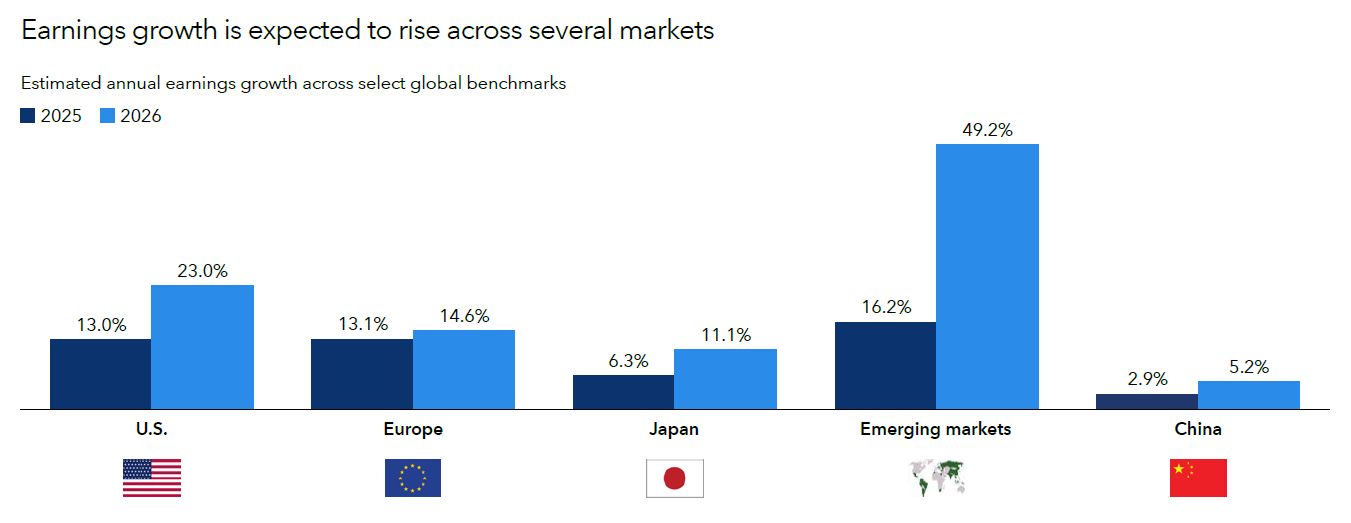
The primary reason is that corporate earnings have remained healthy across many sectors. Technology companies continue benefiting from AI investment, financial firms are supported by higher interest rates, healthcare companies are driving innovation, and industrial businesses are benefiting from increased infrastructure and manufacturing spending. Strong earnings continue to provide the foundation for today's market.
AI Is Expanding Beyond Technology
Artificial intelligence remains one of the most important investment themes of 2026, but its impact extends well beyond large technology companies.
The massive build-out of AI infrastructure is driving demand for semiconductors, utilities, engineering firms, construction companies and industrial manufacturers. We believe AI represents an economic transformation rather than simply another technology cycle.
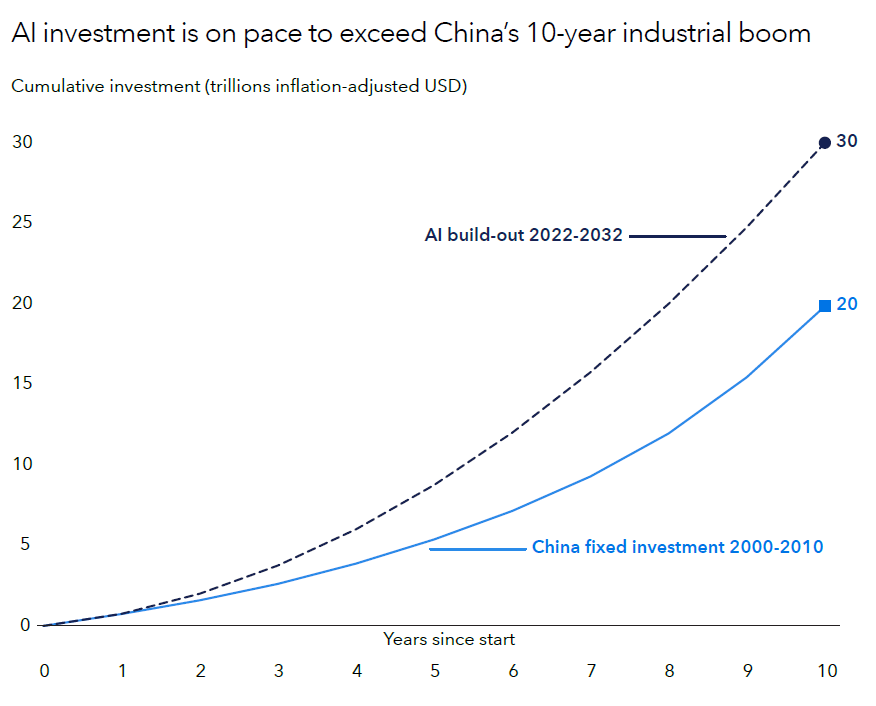
That reinforces an important investment principle: the long-term winners are unlikely to be limited to today's headline companies. Maintaining diversified exposure across sectors remains the best way to participate in this evolving opportunity.
Geopolitical Risks Require Perspective
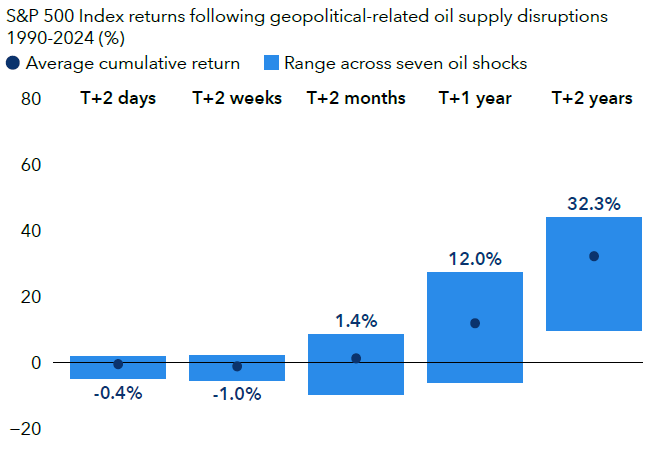
The conflict involving Iran understandably raised concerns during the quarter, particularly as higher oil prices contributed to inflationary pressures.
While these developments deserve attention, history reminds us that markets have generally recovered relatively quickly from geopolitical shocks. Investors who react emotionally to global events often miss the recoveries that follow.
Rather than allowing headlines to dictate investment decisions, we continue focusing on the underlying fundamentals that drive long-term returns.
The Federal Reserve Remains Data Dependent
The Federal Reserve continues balancing two competing objectives: bringing inflation lower while supporting economic growth.
Although inflation remains elevated, the labor market has shown signs of moderation without significant deterioration. As a result, we expect the Fed to remain patient and allow incoming economic data to guide future policy decisions.
For investors, this means interest rate expectations may continue shifting throughout the remainder of the year. Maintaining a diversified portfolio remains the most prudent approach.
Diversification Is Beginning to Reward Investors
After years of U.S. large-cap technology dominating returns, market leadership is beginning to broaden.
International equities have continued building on last year's momentum, supported by attractive valuations and improving earnings. At the same time, industrial, utility and infrastructure companies have benefited from increased spending tied to AI, manufacturing reshoring and energy security.
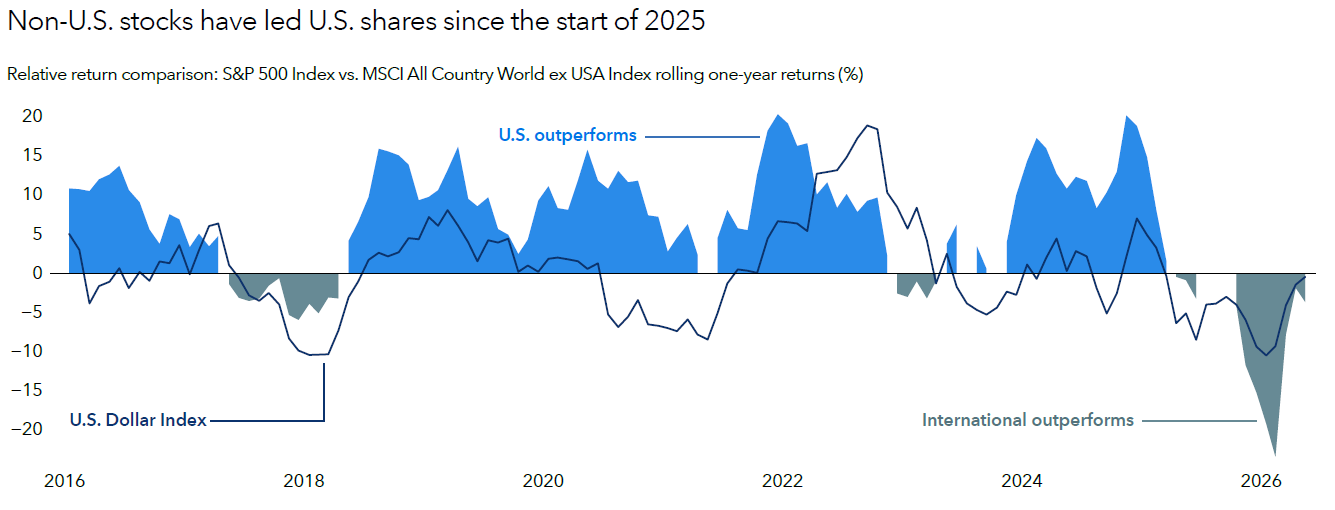
This broadening market leadership reinforces why diversification remains one of the most effective risk management tools available to long-term investors.
Bonds Continue to Add Value
Higher interest rates have restored fixed income's traditional role within diversified portfolios.
Today's bond yields provide meaningful income while offering valuable diversification during periods of market volatility. Investment-grade bonds and municipal bonds continue to present attractive opportunities for investors seeking stability alongside equity exposure.
Don't Chase Headlines
Another major story this quarter was the anticipated wave of high-profile AI-related IPOs, including SpaceX and other emerging technology companies.
While these businesses represent exciting innovations, history suggests that newly public companies often experience meaningful volatility before their long-term value becomes clear.
Rather than chasing the latest market excitement, we continue to believe diversified portfolios built around high-quality businesses provide a more reliable path toward achieving long-term financial goals.
Concluding Thoughts
Every year presents investors with a different set of concerns. This year it has been geopolitical conflict, inflation, AI investment and renewed enthusiasm surrounding technology IPOs.
While headlines will continue changing, successful investing rarely does.
Our focus remains on building diversified portfolios designed to navigate changing market conditions while keeping your long-term financial objectives at the center of every investment decision.
Thank you for the continued trust you place in our team. We appreciate the opportunity to serve your family and remain committed to helping you navigate whatever markets may bring next.
Warm Regards,
Your Wela Financial Advisory Team
Ready to talk strategy? See our current services.
Brent Forrest & Associates, LLC. dba Wela Financial Advisory (Wela) is a registered investment adviser. Information presented is for educational purposes only. It should not be considered specific investment advice, does not take into consideration your specific situation, and does not intend to make an offer or solicitation for the sale or purchase of any securities or investment strategies. Investments involve risk and are not guaranteed. Be sure to consult with a qualified financial adviser and/or tax professional before implementing any strategy discussed herein.

