Quarterly Investment Newsletter — Q3 2026 Review
Dear Wela Clients,
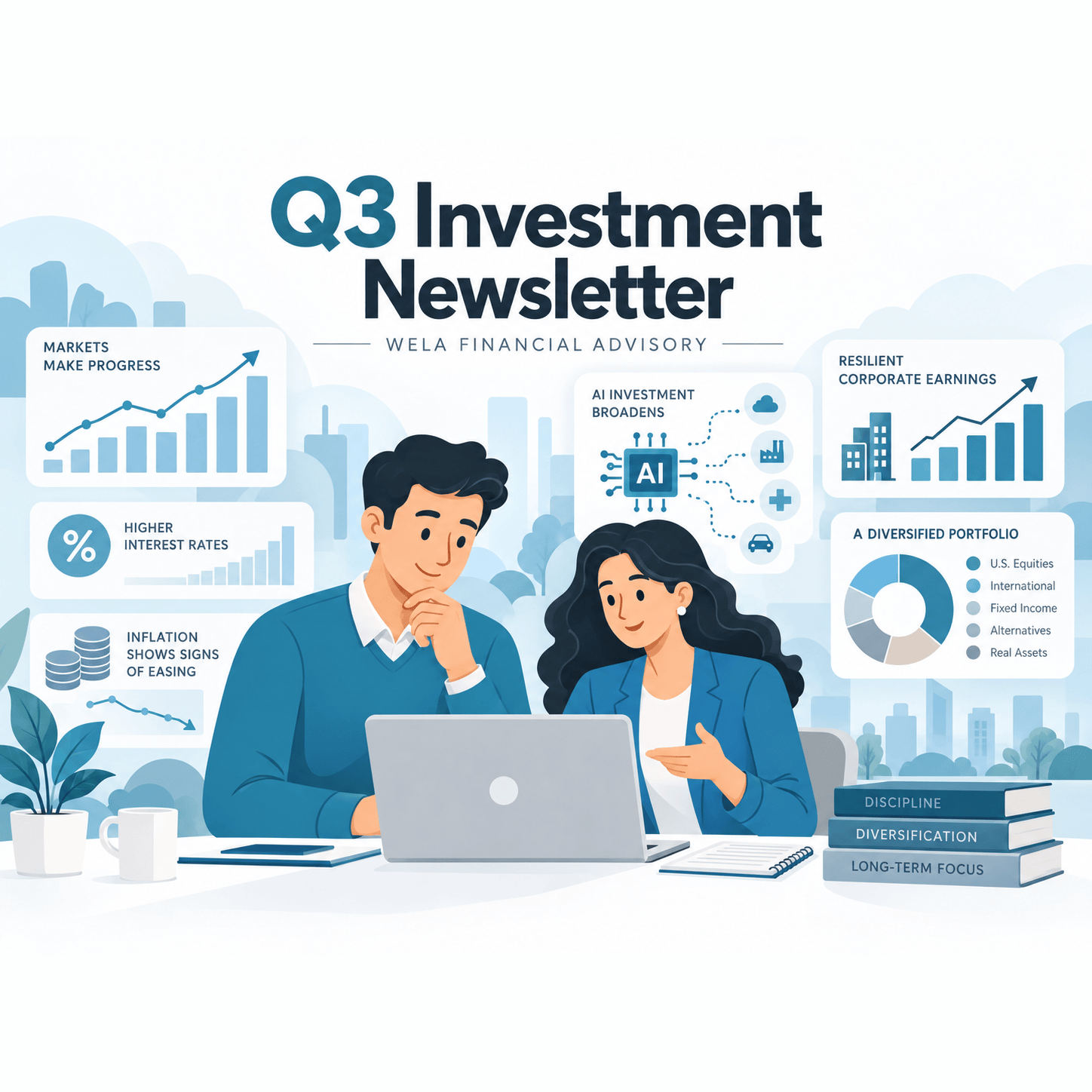
The third quarter reinforced a familiar lesson: markets can make progress even when the headlines feel unsettled. Investors weighed persistent inflation, higher interest rates and questions about the enormous investment in artificial intelligence, while the economy and corporate earnings remained resilient.
For portfolios, the message is straightforward. Higher yields have improved the role bonds can play, AI is creating opportunities across a wider range of industries, and strong earnings continue to support equities. Rather than trying to predict every turn, we remain focused on diversification and keeping portfolios aligned with long-term goals.
Three themes stand out:
- Higher rates are changing the opportunity set for both stocks and bonds.
- AI investment is broadening beyond technology and creating a major financing cycle.
- Corporate earnings remain an important foundation for markets.
As always, our goal is to help clients separate short-term noise from the developments that matter to their long-term plans.
Higher Rates Have Restored Value to Bonds
The Federal Reserve raised its policy rate in September as inflation remained elevated. While higher rates can pressure rate-sensitive businesses and expensive stocks, they also mean investors no longer need near-zero rates for bonds to contribute meaningful income.
Today’s Treasury yields are not unusual by historical standards. With starting yields around 5% in broad investment-grade markets, bonds are better positioned to provide income and diversification than they were for much of the last decade.
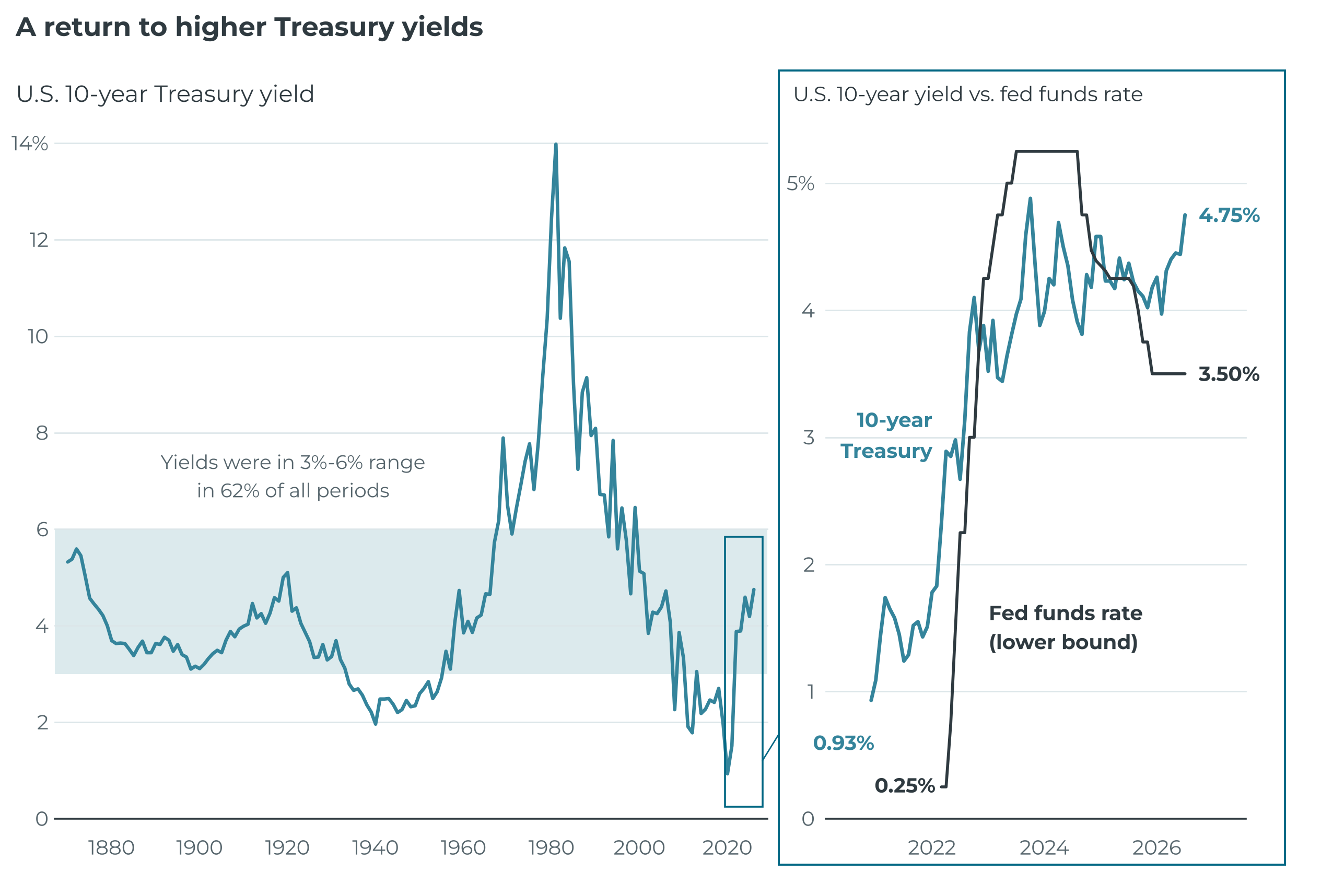
We are not positioning portfolios around oneinterest rate forecast. If rates stay elevated, investors can benefit fromhigher income. If rates eventually decline, high-quality bonds may againprovide valuable portfolio stability.
AI Investment Is Getting Bigger and Broader
Artificial intelligence remains a major market driver, but the story now extends well beyond software and semiconductors. Data centers require power, networking, construction, industrial equipment and financing, spreading the investment opportunity across more of the economy.
The scale is substantial. It is estimated that five major hyperscalers are committing hundreds of billions of dollars to capital spending in 2026 and 2027. That spending is also driving significant corporate debt issuance, making balance-sheet strength and credit selection increasingly important.
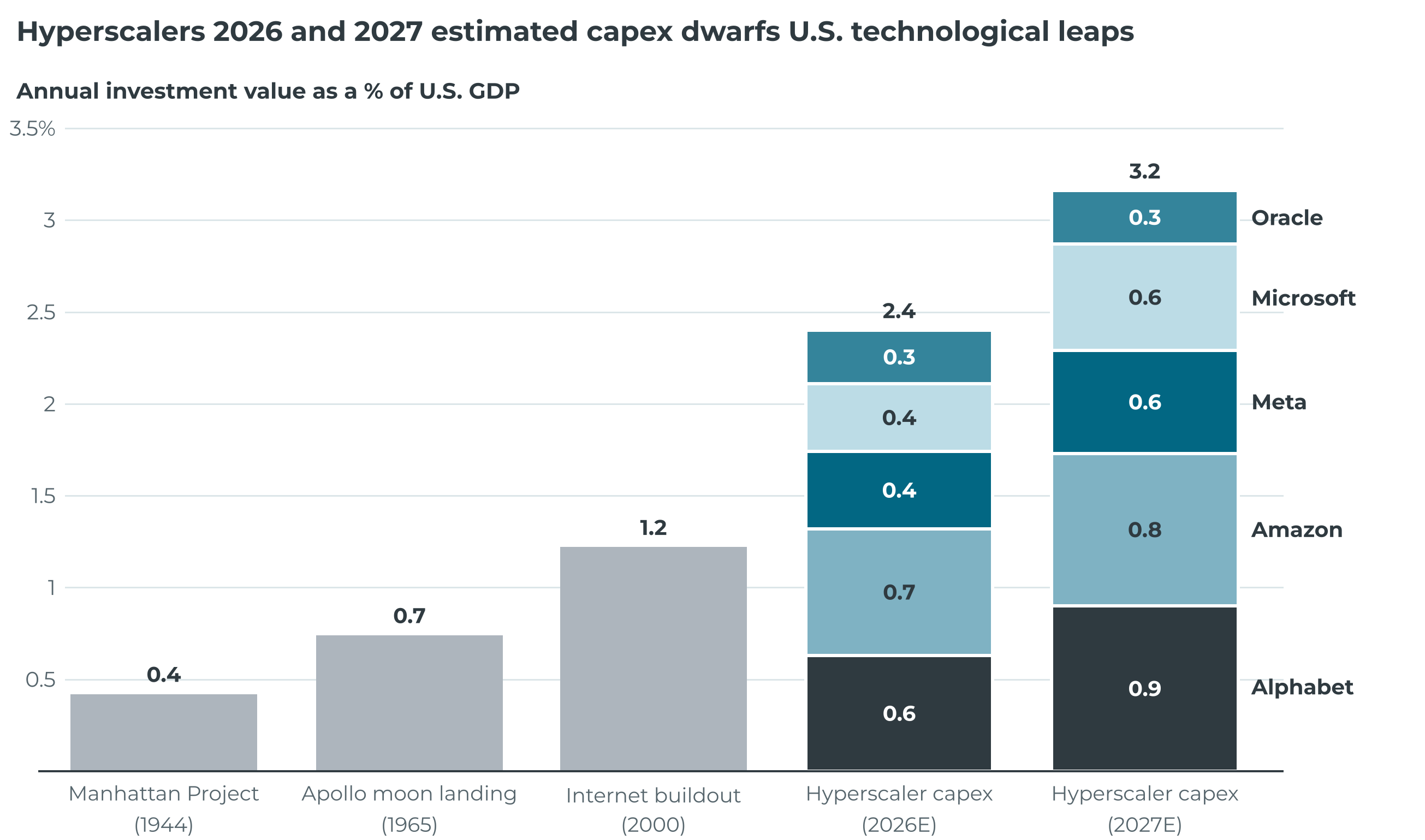
The long-term opportunity may be significant, but transformative technologies do not reward every company equally. Diversification allows portfolios to participate in the AI buildout without depending on a single company, sector or country to win.
Earnings Continue to Support Markets
Despite a crowded news cycle, corporate earnings remained an important support for equities. Vanguard’s late-September outlook highlights strong earnings even as Treasury yields have risen, while also noting that higher rates and the sustainability of AI spending remain key risks.
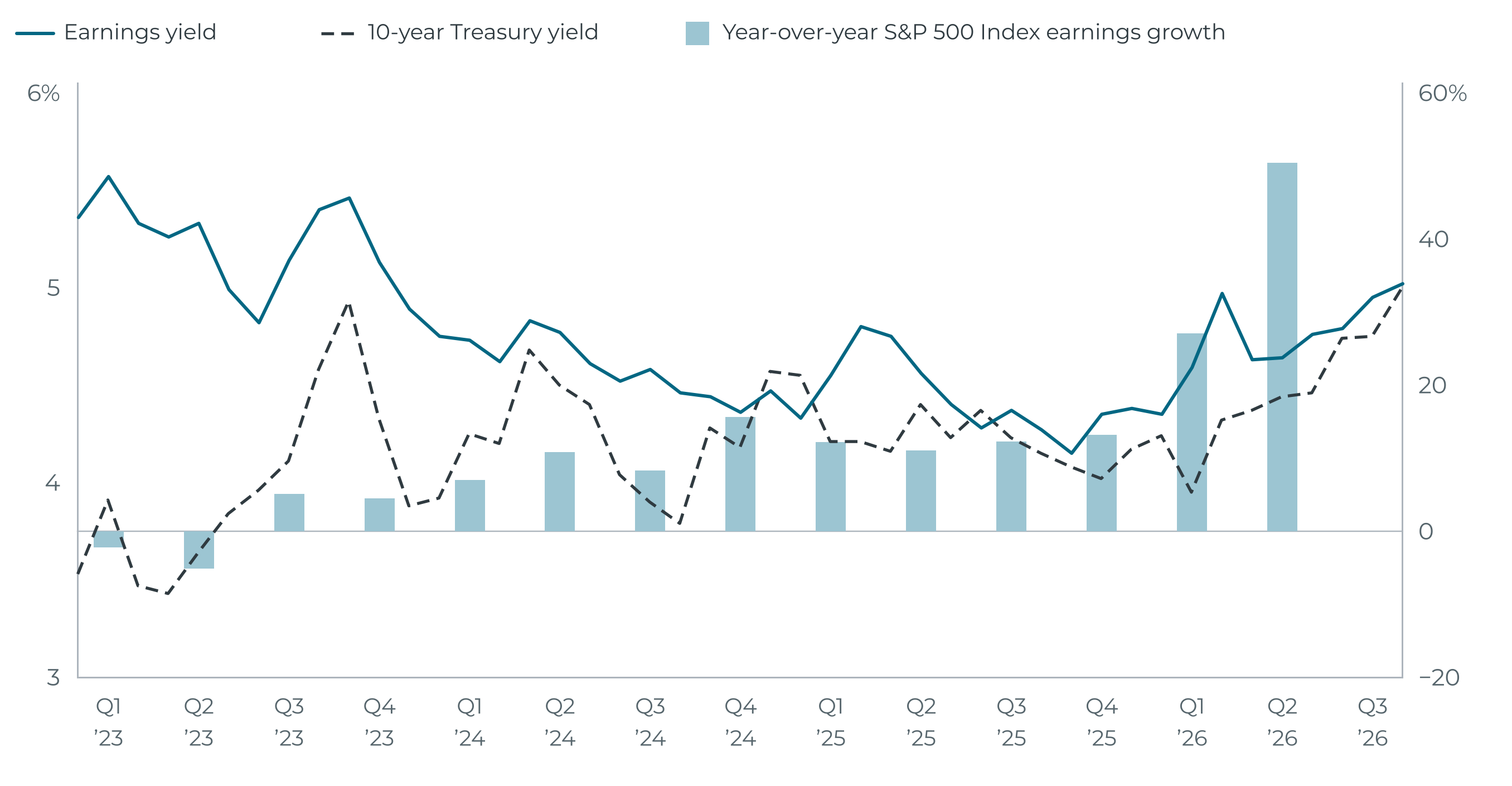
Market leadership is also broader than the largest technology companies. Financials, industrials, infrastructure businesses and international markets can participate in the same investment cycle. That reinforces why we continue to diversify by sector, geography and investment style rather than chase whichever part of the market has recently performed best.
Midterm Elections: Expect Noise, Keep Perspective
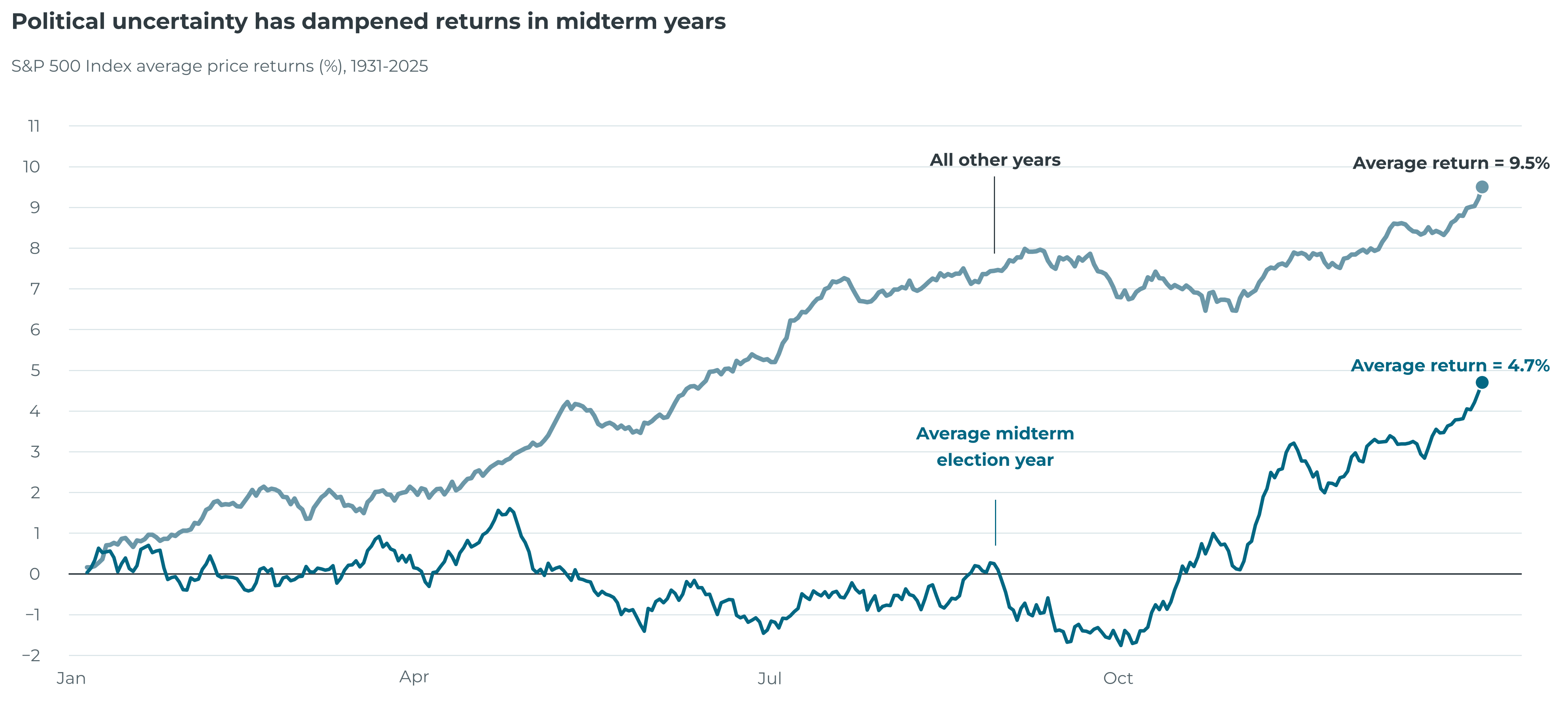
With the November midterm elections approaching, political headlines may become another source of market volatility. Reviews of more than 90 years of S&P 500 data found that midterm years have historically produced more volatility and more muted returns before Election Day than other years. These are historical averages, not a forecast for 2026.
The more important lesson for investors is that election outcomes have not been a reliable reason to change a long-term portfolio. Markets have historically strengthened after election uncertainty cleared, while the composition of Congress has had little relationship with long-term equity returns. We will monitor policy developments that could affect markets, but we do not believe an election by itself should dictate an investment strategy.
Concluding Thoughts
As we enter the final quarter of 2026, inflation, Federal Reserve policy, AI spending and corporate earnings will remain important. We will continue monitoring each of them with Capital Group, Vanguard and our other research resources.
What will not change is our investment discipline. Diversification, appropriate liquidity, rebalancing and patience remain central to navigating both strong and difficult markets.
Thank you for the continued trust you place in our team. We remain focused on your portfolio, your plan and the goals behind both.
Warm Regards,
Your Wela Financial Advisory Team
Brent Forrest & Associates, LLC. dba Wela Financial Advisory (Wela) is a registered investment adviser. Information presented is for educational purposes only. It should not be considered specific investment advice, does not take into consideration your specific situation, and does not intend to make an offer or solicitation for the sale or purchase of any securities or investment strategies. Investments involve risk and are not guaranteed. Be sure to consult with a qualified financial adviser and/or tax professional before implementing any strategy discussed herein.

